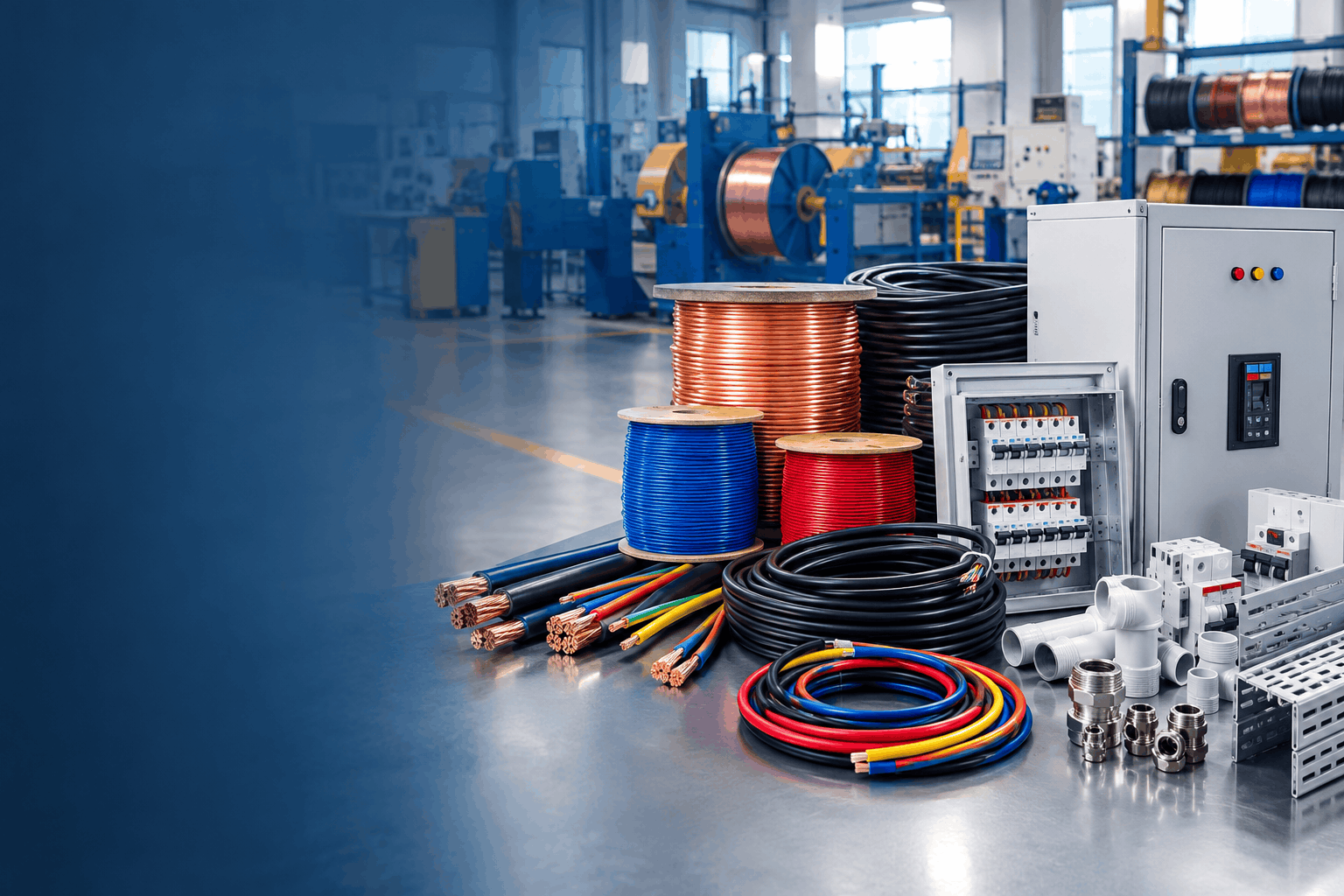
Electrical systems are the foundation of modern homes, commercial buildings, factories, and infrastructure projects. From powering industrial machinery to connecting lighting systems and protecting electrical circuits, every component plays an important role in the overall performance of an installation. Selecting suitable electrical products helps improve operational reliability, simplify maintenance, and support long-term safety.
For contractors, electricians, project managers, distributors, and procurement professionals, choosing the right manufacturer is just as important as selecting the right product. Product consistency, technical specifications, availability, and after-sales support can all influence the success of an electrical project.
Understanding the Importance of Quality Electrical Products
Electrical installations involve several interconnected components, including wires, cables, switchgears, distribution boards, fittings, and accessories. Each component must be appropriate for its intended application and compatible with the rest of the system.
Using products that do not match the required electrical load, installation environment, or operating conditions can increase maintenance requirements and create avoidable safety risks. This is why buyers should evaluate product specifications, insulation characteristics, conductor materials, applicable standards, and installation requirements before making a purchase.
Reliable electrical products also help contractors maintain consistent installation quality across residential, commercial, and industrial projects. A well-planned procurement process reduces the likelihood of selecting incompatible components and helps ensure that the electrical infrastructure meets the project’s operational needs.
Why Manufacturer Experience Matters
An established manufacturer brings valuable experience in understanding the practical requirements of electrical installations. Manufacturing processes, raw material selection, product testing, inventory management, and quality control all contribute to the consistency of the final product.
Tekson Cable House has been serving the electrical products industry since 1989. Its product portfolio covers industrial and domestic cables, switchgears, distribution boards, PVC fittings, metal fittings, fan down rods, and electrical accessories.
This broad selection allows dealers, electricians, contractors, and businesses to source different categories of electrical products through one established brand. For projects involving multiple product types, having a coordinated source can make procurement and stock planning more convenient.
When evaluating a manufacturer, buyers should also consider the availability of product information, technical assistance, order coordination, and dependable distribution. These factors become especially important when electrical materials are required for ongoing construction or industrial maintenance.
Selecting the Right Wires and Cables for Different Applications
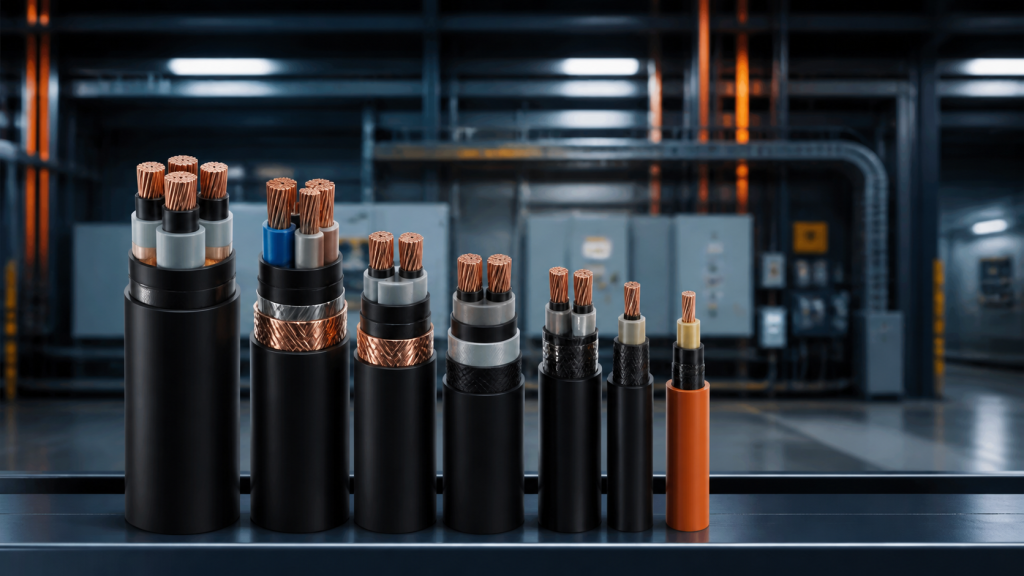
Wires and cables serve different purposes depending on the installation. Domestic wiring, industrial power distribution, machinery connections, communication systems, and control circuits each have their own technical requirements.
Before selecting a cable, consider the expected current, operating voltage, conductor material, conductor cross-section, insulation type, ambient temperature, installation method, and applicable electrical standards. The cable must also be suitable for the mechanical stresses and environmental conditions it will encounter.
Copper and aluminium conductors are commonly used in electrical power applications, but the appropriate choice depends on system design, electrical requirements, installation conditions, and project specifications. Cable sizing should account for current-carrying capacity, voltage drop, fault conditions, and the installation method.
Industrial facilities may also require control cables, shielded cables, multicore cables, networking cables, and specialised wiring for specific equipment. Choosing each product according to its intended function helps create a more organised and maintainable electrical system.
Where High-Temperature Wiring Is Required
Certain electrical installations operate in environments where conventional wire insulation may not be suitable. Equipment exposed to elevated temperatures, heating assemblies, specialised machinery, and some industrial processes may require wiring designed for higher thermal conditions.
When evaluating High Temp Wires, buyers should examine the manufacturer’s specified temperature rating, insulation material, voltage rating, conductor size, and suitability for the intended operating environment. These specifications should be matched to the actual temperature exposure rather than estimated from general application descriptions.
It is equally important to consider whether the wire will be exposed to oil, chemicals, moisture, abrasion, vibration, or repeated movement. Temperature resistance alone does not establish suitability for every industrial application.
Electrical designers and maintenance teams should verify the relevant technical documentation before installation. Where equipment manufacturers specify particular wire types or ratings, those requirements should take priority.
Understanding Flexible Cable Requirements
Some installations require cables that can accommodate movement, tight routing paths, or connections between equipment and control assemblies. In these situations, flexibility can make installation and maintenance more practical.
However, flexibility is not a single performance characteristic. A cable suitable for occasional positioning may not be appropriate for continuous movement, repeated bending, or applications involving torsion. The required bending radius, conductor construction, insulation, outer sheath, and expected service conditions must all be considered.
Hi Flex Cables should therefore be selected according to the intended application and the manufacturer’s technical specifications. Buyers should confirm whether the product is suitable for fixed installation, intermittent movement, or continuous-flex operation before specifying it for machinery or equipment.
Correct routing and installation remain essential. Even a suitable flexible cable can experience premature damage if it is bent beyond its permitted radius, crushed, exposed to incompatible substances, or subjected to excessive mechanical tension.
Switchgears and Distribution Boards for Electrical Protection
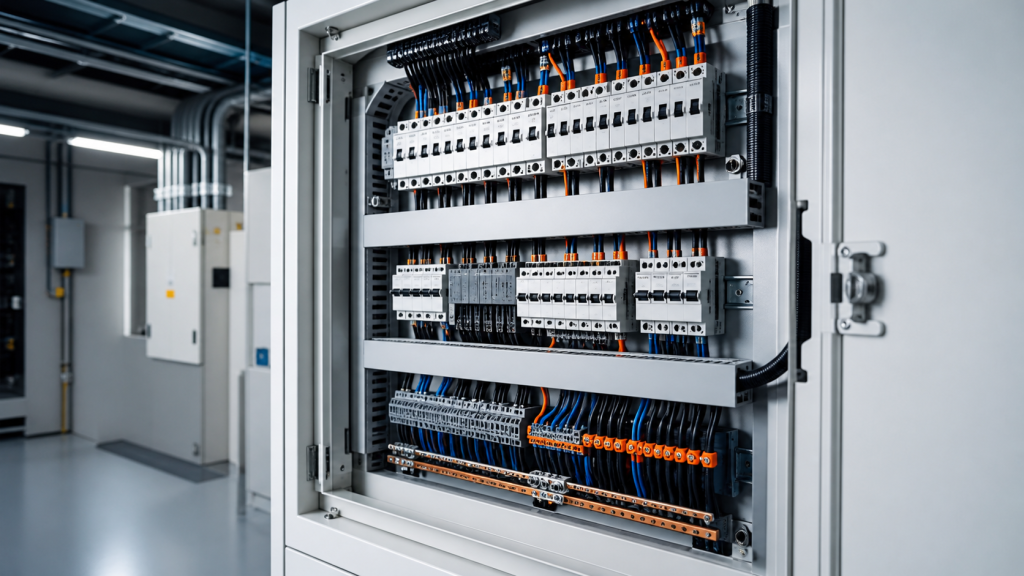
Cables carry electrical power, while switchgears and distribution boards help organise circuits and support electrical protection. These products are important in residential buildings, commercial establishments, workshops, factories, and infrastructure installations.
The selection process should begin with the system’s voltage, current requirements, prospective fault current, number of circuits, and protection coordination needs. Devices such as miniature circuit breakers and moulded-case circuit breakers must be chosen according to the characteristics of the installation.
Distribution boards should provide suitable capacity, adequate space for wiring, appropriate enclosure protection, and accessibility for inspection and maintenance. Clear circuit identification and organised cable routing also help technicians work more efficiently.
Installation and testing should be carried out by qualified electrical professionals in accordance with applicable regulations and project specifications. Product selection alone cannot compensate for poor installation practices or inadequate protection design.
The Role of PVC and Metal Electrical Fittings
Electrical fittings help protect cables, organise wiring routes, and provide mounting or connection points for different installation components. Depending on the application, a project may require PVC pipes, junction boxes, bends, elbows, tees, modular boxes, metal enclosures, or other accessories.
PVC fittings can be useful in suitable wiring installations where electrical insulation and corrosion resistance are relevant considerations. Metal fittings may be preferred where the design requires particular mechanical properties or enclosure characteristics.
The correct choice depends on environmental exposure, mechanical protection, compatibility with the wiring system, installation method, and applicable electrical requirements. Buyers should not assume that one material is appropriate for every location.
Using compatible fittings and accessories helps maintain organised cable routes and makes future inspection or modification easier. Contractors should also verify enclosure ratings and any earthing or bonding requirements relevant to the selected system.
What to Check Before Placing a Bulk Order
For dealers, contractors, and project procurement teams, purchasing electrical materials involves more than comparing unit prices. A reliable sourcing process should account for technical suitability, consistent specifications, quantity requirements, stock availability, delivery schedules, and documentation.
Prepare a clear bill of materials that identifies product types, sizes, ratings, quantities, and intended applications. Request technical information where necessary and confirm that the products meet the project’s relevant standards.
It is also useful to evaluate the manufacturer’s ability to support repeat orders and provide a broad product range. For distributors, organised stock and responsive coordination can help reduce delays and support customer requirements across different markets.
Tekson supports dealers throughout India through an established distribution network, a broad product portfolio, and organised inventory. Businesses can contact the company to discuss product availability, catalogue requirements, and suitable options for their electrical projects.
Why Consider Tekson Cable House?
Tekson Cable House combines decades of industry experience with a diverse range of electrical products for residential, commercial, industrial, and infrastructure requirements. Its portfolio includes cables, domestic wires, switchgears, distribution boards, PVC fittings, metal fittings, and related accessories.
The company also highlights its in-house production capabilities for copper and aluminium conductor cables and switchgears, alongside manufacturing and testing facilities focused on product quality and consistency.
For dealers and electrical professionals, this combination of product variety, manufacturing experience, inventory support, and nationwide distribution can simplify sourcing across multiple product categories.
Businesses evaluating electrical products should review the relevant specifications and discuss their project requirements with the company before confirming an order.
Conclusion
Reliable electrical installations begin with informed product selection. Understanding cable specifications, operating temperatures, flexibility requirements, circuit protection, and fitting compatibility helps buyers choose components that match their applications.
Manufacturer experience, technical documentation, quality-control processes, and dependable product availability also deserve careful consideration. By assessing these factors before procurement, electrical professionals can support safer installations, more organised maintenance, and better long-term system performance.
Tekson Cable House offers a broad electrical product range backed by experience dating to 1989. Visit the official website to explore its products, review available catalogues, and contact the team about your electrical requirements.