Selecting an industrial power cable is not simply a matter of matching a conductor size to a load. The cable must also suit the installation method, operating temperature, voltage, mechanical conditions and the environment in which it will work. A correct choice supports safety, dependable performance and easier maintenance throughout the life of the installation.
Start with the electrical load
The first step is to understand the connected load and the current the Cable Wires will carry under normal operation. Motors, pumps, compressors and other industrial equipment can draw a higher current during starting, so the design must consider both continuous load and short-duration demand.
Conductor size should be selected using the applicable electrical standard and corrected for installation conditions. A qualified electrical professional should verify the design rather than relying on a cable’s nominal current rating alone.
Check voltage drop
Long cable runs can produce excessive voltage drop even when the conductor is thermally capable of carrying the current. This may cause motors to run inefficiently, lighting to perform poorly and sensitive equipment to behave unpredictably.
- Calculate the complete route length, including vertical runs.
- Consider the normal operating current and starting conditions.
- Increase conductor size when necessary to keep voltage drop within acceptable limits.
Match the insulation to the environment
Industrial installations may expose cables to heat, moisture, oils, chemicals, sunlight or abrasion. The insulation and outer sheath should be appropriate for those conditions. Cable installed outdoors or in a harsh production area may require a different construction from cable placed inside a protected control room.
Consider the installation method
A cable in open air dissipates heat differently from one grouped with many circuits in a tray, enclosed in conduit or buried underground. Grouping and ambient-temperature factors can reduce the safe current-carrying capacity. Bending radius, pulling tension and available tray space also matter during installation.
A dependable cable selection balances electrical capacity, voltage drop, environmental protection and practical installation—not any single factor in isolation.
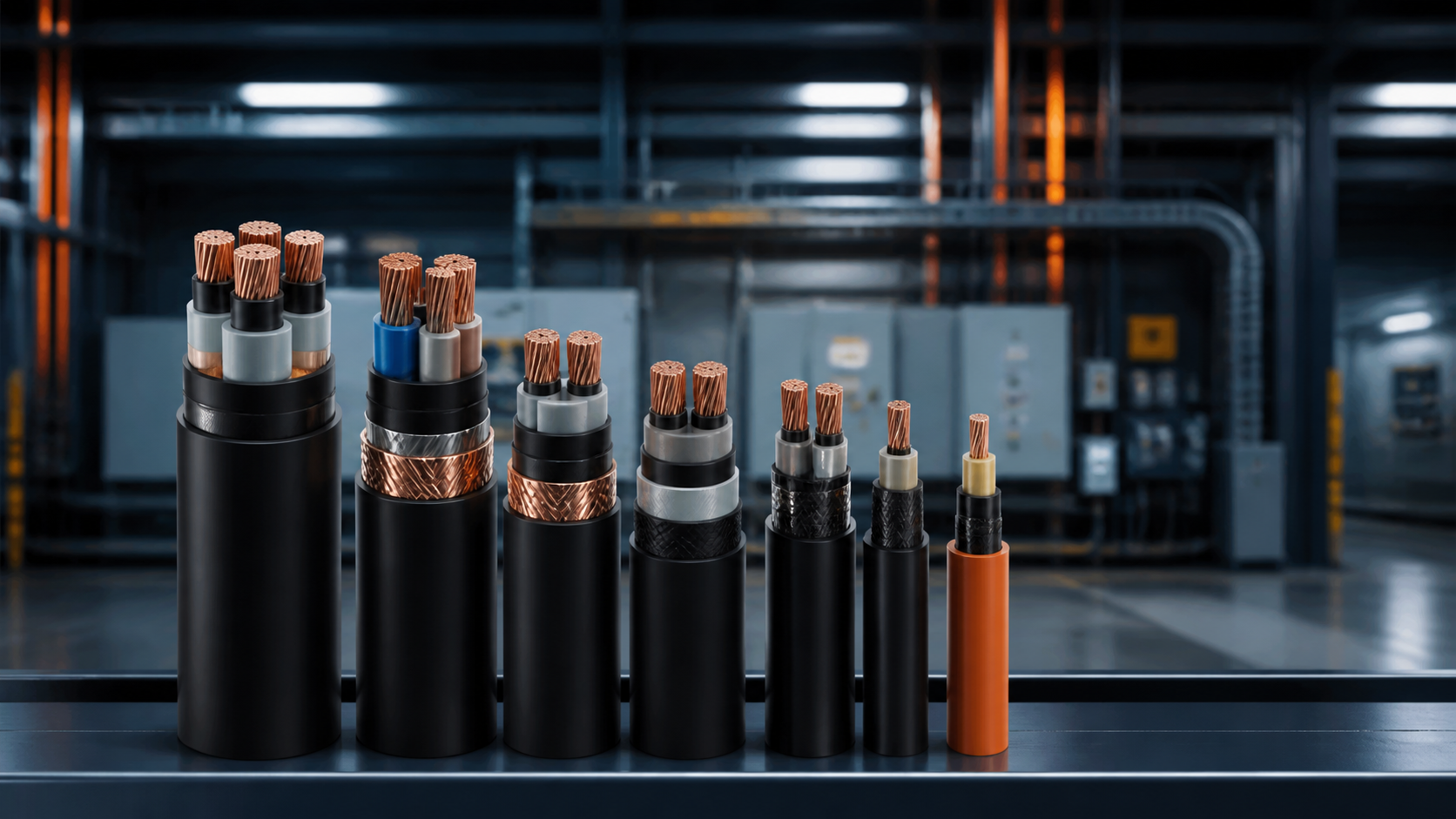
Copper conductor quality and construction
Consistent conductor quality supports predictable resistance and reliable terminations. The number and arrangement of strands also affect flexibility. Fixed power distribution and equipment with regular movement do not necessarily need the same cable construction.
Protection and coordination
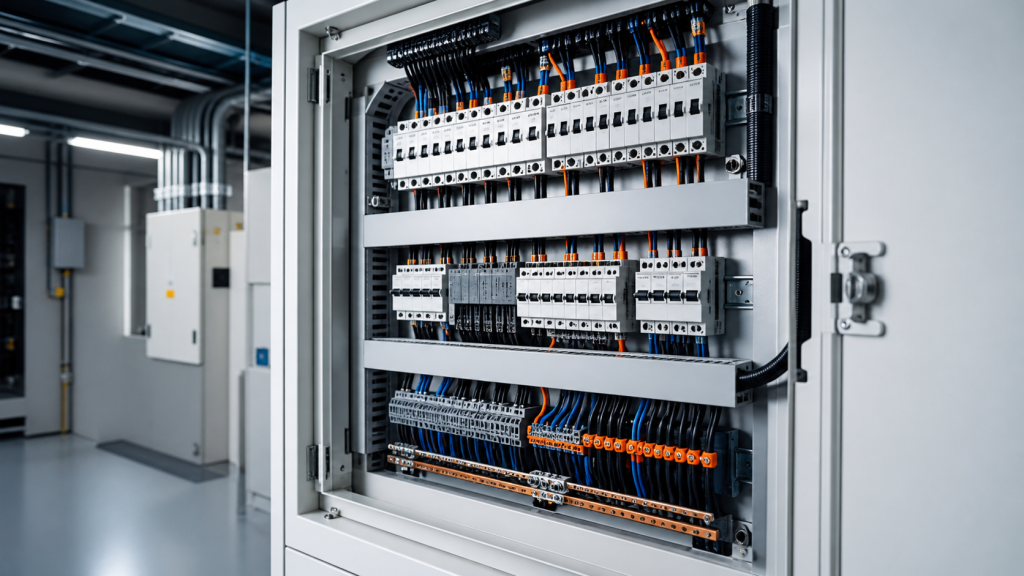
The cable and protective device must be selected as a coordinated system. The breaker or fuse should protect the conductor against overload and fault current while allowing normal equipment operation. Earthing, short-circuit withstand and disconnection time should be checked by the project engineer.
A practical selection checklist
- System voltage, phase and frequency
- Full-load and starting current
- Route length and allowable voltage drop
- Ambient temperature and circuit grouping
- Indoor, outdoor, wet, oily or corrosive conditions
- Fixed, flexible, tray, conduit or underground installation
- Required flame-performance and project specifications
- Compatibility with glands, lugs and termination equipment
Choose with the complete system in mind
A well-chosen industrial cable supports efficient operation and reduces avoidable maintenance. Tekson offers cable solutions for a range of industrial and commercial requirements. For project-specific selection, always share the load, route, installation method and environmental conditions with a qualified electrical consultant or the Tekson team.
Read This Blog: Distribution Board Safety: A Practical Planning Checklist